

2021 Final Stats Are In – How Did the Year Compare to 2020?
Still Rising Inflation & Interest Rates Spell Higher Prices
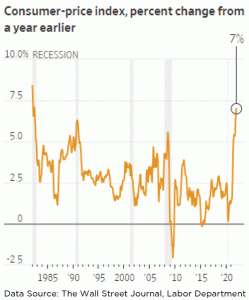
The 2021 real estate market was much like 2020 in some ways: high demand for homes, low inventory, and the overall showing traffic patterns. However, a couple of elements were markedly different in 2021 — specifically, skyrocketing inflation and rising interest rates. In the last newsletter, we focused on inflation, which essentially measures what consumers pay for goods and services. To recap, inflation in the U.S. hit its fastest pace since 1982, rising 7% in December. This marked the third straight month that inflation exceeded 6%. The main driver for these dramatic inflation increases is pandemic-related supply chain issues.
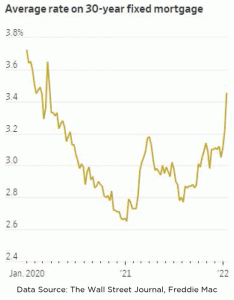
The other significant difference about 2021 was that mortgage interest rates, kept artificially low by the Federal Reserve as an attempt to lessen the pandemic’s blow to the economy in 2020, started to see an uptick once they announced they would gradually discontinue those measures. As this newsletter is being written, mortgage interest rates just hit pre-Covid levels for the first time in 2 years, around 3.8%. Although that rate is still low compared to historical levels, the rates have risen sharply since the year began.
 What does all of this mean for the 2022 market?
The net result of housing supply and demand imbalances, rising inflation, and rising mortgage interest rates is that home values are expected to sharply rise again this year. There is no immediate way to curb these issues without drastic changes and improvements to existing trade and infrastructure. With Washington politics in seemingly perpetual gridlock, it is unlikely there will be relief from these issues in the short term.
If you are a current home buyer, now may be your last chance to lock in a low mortgage rate. As any mortgage professional will tell you, there is a lot more room for interest rates to rise than to fall. These rate changes may seem insignificant, but they can amount to hundreds of additional dollars per month on your mortgage payment, in addition to the ever-rising home prices created by low inventory.
As always, the best move for you will be dependent on your unique situation. Don’t hesitate to reach out if you’re wondering what your current options are!
Last thing — here are the Denver Market stats looking at December 2021 vs December 2020:
